During this past school year senior kindergarteners have been learning about coding and programming using the MakeyMakey, Scratch and coding robots. As the school year is coming to a close I wanted to do a combined hands on project that connected with coding, maker, art and literature. We started with reading the book Drum Dream Girl by Margarita Engle and illustrated by Rafael Lopez. The book is inspired by the childhood of Millo Castro Zaldarriage, a Chinese-African-Cuban girl who broke Cuba’s traditional taboo against female drummers. The book is beautiful, the illustrations are gorgeous and the text is wonderful and the story is a great. Kindergarteners made connections with the rhythms and sounds in the poetry of the text and the vibrant colorful art of the images. We also had a great conversations about equity between boys and girls.
Next, we recorded audio of sounds of different drums. Students explored different types of drum sounds and picked the ones that they liked the best. Then we created the Scratch coding. Scratch is a drag and drop coding program that kindergarten students have been using this year.
The next step was to make connections with the MakeyMakey. We connected alligator clips to the buttons we coded on the Scratch code. Then I hammered nails into Crayola markers. The alligator clips were connected to the nails. The MakeyMakey needs a home or earth connection that triggers the Scratch coding to work. We connected the earth key to a piece of paper and then sprayed the paper with water to make it conductive making musical markers! When students started drawing on the paper the drums sounds started playing! Kindergarten students had so much fun with this STEAM project!
The last year I have been exploring the use of Imaginative Inquiry with my third grade students. The theme of the year has focused on innovation and connected with the central topic study in their classrooms around the history of the City of Chicago starting with the Ojibwe People up to the diverse neighborhoods of the current city. I have documented in the last four post the theory of Imaginative Inquiry, the introduction of the mission by the mysterious Agent X and the first missions and challenges and the connection with collaboration skills and coding robots.
As I shared in the last blog post the central topic and classroom work focused on pioneer life during the winter months and did not fit with the Agent X challenge. Additionally, in the past I have collaborated with the classroom and the science teachers on a animal research project. This project connected with research skills, the science curriculum and the classroom writers curriculum and we wanted to continue it again this year. I wanted to make sure that the excitement and focus of the Agent X challenge continued as students worked on other aspects of the curriculum. I decided to make a connection with innovation in their animal research and add an Agent X teaser to keep up the mystery.
The animal project looks at how animals survive in their different habitats. How do they find shelter, live together or alone, hunt or gather food, etc. Each student was assigned a different animal and used books, databases and websites to research their animals. We also introduce twitter as a research tool for students to ask questions of experts around the world. Students brainstorm questions they have about their animals that they are not able to find using materials available to them. We tweet the questions out to zoos using a 3rd grade account that the teachers have access to and then share the answers that we receive. The classroom teachers have the students write informational books based on their animal research and the science teacher connects their research to habitats and the work of zoos and creating habitats for animals.
At the end of the research process I made the Agent X connection. In our library we have a large screen that is controlled by a central system. I had a coworker hookup their computer and hide it over by the controls for the system. As the students entered we had them sit at the tables at the front of the space telling them they were going to continue their animal project. When the students were settled at the tables the, my coworker stealthy pressed the start button and the large projection screen mysterious started to drop down from the ceiling and the video started…
This was a good way to keep students thinking about innovation and looking to the animal world to see the innovative ways that animals make use of and adapt to their environments. Students thought about the details and filled out a Google Classroom information sheet with their connections.
The video was a big hit and the students were excited about trying to figure out what the last image had to do with their next challenge!
Up next the Chicago elevated train system, innovation and public transportation!
This school year I have been exploring the use of Imaginative Inquiry with my third grade students. The theme of the year has focused on innovation and connected with the central topic study in their classrooms around the history of the City of Chicago starting with the Ojibwe People up to the diverse neighborhoods of the current city. I have documented in the last four post the theory of Imaginative Inquiry, the introduction of the mission by the mysterious Agent X and the first missions and challenges. At this point in the school year the discussion that was happening in the classroom around pioneer life did not fit with the theme of innovation and transportation. I did not want to lose the momentum and engagement of the students so I decided to design an Agent X challenge that focused on collaboration and communication skills. The initial application from Agent X stated that those applying for the mission needed to be good communicators and have strong collaboration skills so this was a good connection and would have robots! The next message students received from Agent X contained details about the challenge. Students were reminded that collaboration and communication skills were going to be essential to the success of their mission and the this challenge was going to focus on making sure that students were developing these skills. The details of the challenge were included. Students were going to work in small groups and needed to create a masking tape maze for a Dot & Dash robot that was at least eight feet long and had a minimum of six turns. Next the students needed to code the robot to move through the maze.
To complete this challenge students would need to design and plan with their groups. They would need to pay attention to measurement and think about the width and distance the robot could move. Students were also given a time frame to complete this mission and needed to plan their maze making sure they could accomplish it during the two weeks timeline.
Next students starting mapping out their plans, measuring and then taping their mazes on the floor. It was interesting to see how the groups worked together. Some groups divided up responsibilities and all worked from different ends of the maze. Some groups assigned jobs, one was in charge of measurements, one taping, one coding and one map reading. Some coded the maze as they went and some groups taped the whole maze and then programed the robots. It was great were empowered to determine how the they worked with each other and negotiated how their group was going to work together and accomplish the task.
This Agent X mission was a success! The students loved the challenge and stayed engaged in the whole Agent X challenge. They worked on their collaboration and communication skills and continued to develop their coding and robotics experiences. Up next a connection to the animal world!
This is the next installment of my documentation of using Imaginative Inquiry with my third grade students. You can see the first three posts on my blog, (Intro, Part 2, Part 3). Now that my students had completed the research part of their mission to look into innovation and birch bark canoes and how that connected to their classroom studies of the Ojibwe People, they were ready to take what they had learned and see if they could connect it to design. The next communication students received from Agent X was a large box filled with materials and another letter with instructions about their mission. This mission was a design challenge! Students were asked to think about what they had learned about the birch bark canoe. The canoe was a simple construction using limited materials and was sturdy enough to carry supplies and people across waterways but also light enough to be carried on one person’s back. The students were challenged to make a birch bark inspired canoe, on a much smaller scale. Using the materials in the box, birch bark paper, craft sticks and rubber cement, could the students design and make a model of a birch bark canoe that could float?
There are couple of links to this project beyond the study of birch bark canoes, this also connected to the goal of helping students cultivate their collaboration and communication skills. Students were working in small groups and would need to design and plan together, coming to an agreement of the final plan and work together to build with the materials and if need redesign the canoe to make it float. This part of the project also connected to the buoyancy study they were doing in science. It is always great for students when there are multiple connections to the work they are doing in other areas can be reinforced. This makes the concepts more concrete for students and they are more likely to remember the information and concepts. Students embraced the design challenge and jumped right into the planning. They were reminded to make sure their design was connected to what they had learned about the design of the canoes by the Ojibwe. They did a great job managing their collaboration and communications with each other and did not require many teacher mediations. The highlight of this part of the project was how excited students were to test their designs and how proud they were when their canoes floated.
The final step to close out our study of birch bark canoes was for students to reflect on some of the challenges and struggles they encountered while trying to build their canoes and the appreciation they gain for how innovative the birch bark canoe was and what a great technological design it was hundreds of years ago. Next up… collaboration, communication connected to coding and robots!
Over this school year (so far), I have been engaging in an imaginative inquiry project with my third grade students focusing on the theme of innovation. Here is a link to my first blog post about the practice of Imaginative Inquiry and the plan. In my second post I shared the next step in the Agent X program, the test students received that gave the first few clues to what their mission might be. In their mission test, looking at different primary source letters from the 1840s, pieces of birch bark, and paintings depicting Ojibwe People by lakes and using birch bark canoes, students documented details they notices, connections they found between the materials and questions they had about the materials. They were ready to receive their next communication from Agent X. The mysterious envelope arrived during the next class. Inside was a trifold card that had one of the earliest maps available of the Chicago and Great Lakes area, a picture of the City of Chicago today and a question mark. Students spent time discussing what the clues might mean and what connections it might have to the materials they studied in their Agent X test.
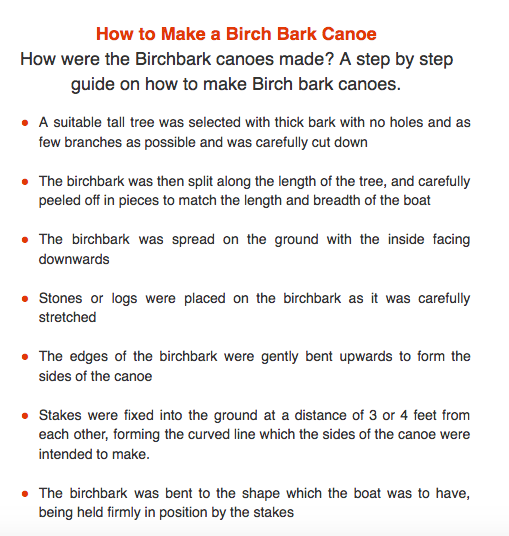
The second envelope included more materials and another letter from Agent X with details about their first mission and the information that they would be learning more about birch bark canoes, innovation and transportation. Students worked in small groups and examined the images of birch bark canoes, watched a video on the making of the canoes and information sheets about birch bark canoes and their role in the Ojibwe People’s lives. Students were also asked to make connections with what they were learning about Native American tribes that lived around the Great Lakes in their classrooms studies. Students documented information that they learned about birch bark canoes and the connections to innovation and transportation.
There was also a collections of maps in the resources. One of the maps was from the early 1800’s and one of today. Students spent time looking at the maps and thinking about why birch bark canoes and water transportation would have been so important. Students used the large touch screen computer we have in the library to add thoughts and ideas to a Google map of the Great Lakes area. This map is an ongoing part of the project. Students will be adding different layers of transportation to the map as they study different types of transportation. The map, hopefully, will be a great visual when students are asked to think about what they have learned from the past and how they might create a transportation system for the future.
Over this school year (so far), I have been engaging in an imaginative inquiry project with my third grade students focusing on the theme of innovation. Here is a link to my first blog post about the practice of Imaginative Inquiry and the plan. The third graders had submitted their applications and they were anxiously waiting to hear if they had been accepted to the mission. They were so excited when a box with a X on it arrived just a couple days later. Students learned they had passed the application process but now they had to pass a test to see if they were really ready to be apart of Agent X’s team. In the package was a collection of materials including pieces of birch bark, drawings of Ojibwe People by lakes and with canoes, letters dated from the 1840s documenting the first observations of Western Europeans detailing their amazement at the birch bark canoe. The students were instructed to examine the materials and think about how they were connected, what details they noticed about the materials and what questions they had about the materials.
Students documented all their research and discussed what connections they made to information they were learning in the classroom as part of their study of the Ojibwe People. This step was a good way to introduce students to primary source documents and other resources to really have them think deeper and more critically about the materials and the information they were learning. The students were so engaged in this process and excited about they challenge that they really dived into the process and solving the mystery.
What I really like about this project and using Imaginative Inquiry with the students is they feel empowered in the process. By removing the teacher as the source of instructions and the leader of the process the students step up and take ownership of their learning. They have to think about and pull information from the messages from X and determine what they need to do. As the teacher I was able to provide the students with the information they needed to engage in the process and to meet the learning goals we had for this project and then step away and the students were the ones who determined the path and felt empowered to lead the way! Up next..the Mission and more clues!
Sunday, March 18, 2018
Innovation: A year (so far) with Imaginative Inquiry
Part 1
In the summer of 2017 I was lucky enough to be able to attend the Institute for Imaginative Inquiry, a four day workshop that immerses participants in the use of imaginative inquiry in the classroom. The workshop and the educators who run this professional development are amazing. It is a great way to understand what Imaginative inquiry is and how to think about implementing it with students. Everything I know about imaginative inquiry I learned at this workshop and the program I am running with students is based on what I learned at this workshop and the work of the educators who run this professional development. They have an amazing website and are hosting another Imaginative Inquiry Institute this summer.
What is Imaginative Inquiry:
“Developed in the United Kingdom, Imaginative Inquiry is an approach based on the idea that children’s imagination is our greatest resource in the classroom, placing it center stage as a powerful tool for learning. Within a community of inquiry, teachers and students create exciting and meaningful contexts for learning, using conventions of theatre—such as point of view, tension, and narrative—to explore curricular objectives. Students are not merely passive observers of the stories of our world, but are collectively invited to take action in the realm of possibility that Imaginative Inquiry provides.” - Institute for Imaginative Inquiry Website
After the workshop I set out to use this practice with my third grade students. The idea of a year long curriculum that connected to the central topic that the students study in their classroom was really appealing. I wanted the work that we do in the ILIS, Integrated Learning and Information Sciences Department (a combined library and ed tech department) to make deeper connections with the classroom work, as well as be a year long experience that culminated with a in depth project at the end of the year that connected to work done throughout the year. My third graders study the history of the City of Chicago, starting with a study of the Ojibwe People who have lived around the Great Lakes for generations, the settlement and building of the City of Chicago, and the current City of Chicago, especially the unique neighborhoods throughout the city. When I was looking at the curriculum I wanted to find an idea or theme that we would be able to tackle in our ILIS time, two periods a week, and also would be an engaging and exciting topic for students to look at. I decided the focus of innovation in transportation would be a good topic and one that would fit with the other work and study the students were doing in their classrooms. The idea was to have students look at the birchbark canoe, an innovative use of materials and a transportation systems used by the Ojibwe People, the elevated train system that was an innovative public transportation system introduced to Chicago in 1892, and the current transportation systems in the city including Divvy bikes. The final challenge that the students would be presented with is to design a transportation system for the future Chicago, the designs would pull from positive aspects of innovation they learned from the past, and also thinking about sustainability and equity of access to all member of the community. Now that I had a theme and plan for the year long study of innovation, my next step was the plan to introduce the idea to the students and get them excited and engaged in the project by using some of the techniques I learned at the Institute for Imaginative Inquiry. The idea was to use a technique that the teachers at the institute used with their students, a secret mission from a mysterious Agent X. The students would receive communication from Agent X that would deliver information and challenges to the students. The idea is that students become the drivers of the inquiry and the direction of the project because the information is being supplied by the mysterious Agent X, students need to make decisions, figure out what to do and determine the direction of the research and challenges. I provided the information and the direction for the challenges but when students asked questions I turned it back on them, what did they think they should do, giving them ownership. Also the mystery of Agent X, the letters and challenges that would come when students weren’t expecting it and the excitement of it all was a great way to hook the students and keep them engaged throughout the school year.
Agent X
Students were introduced to Agent X when a mysterious envelope arrived addressed to the 3rd Grade. Inside the envelope was a flyer looking for applications for secret agents. Students read the wanted flyer and discussed if they wanted to apply for the mission. Students asked the question if everyone would be included and they decided that either everyone in the class was accepted as secret agents for the mission or no one would take part. We all agreed that was a good plan. Next students wrote out their scripts for the application video, focusing on what qualities they had that would make them good secret agents. They uploaded their videos to Google Drive and waited to hear if they had been accepted into the mission!